
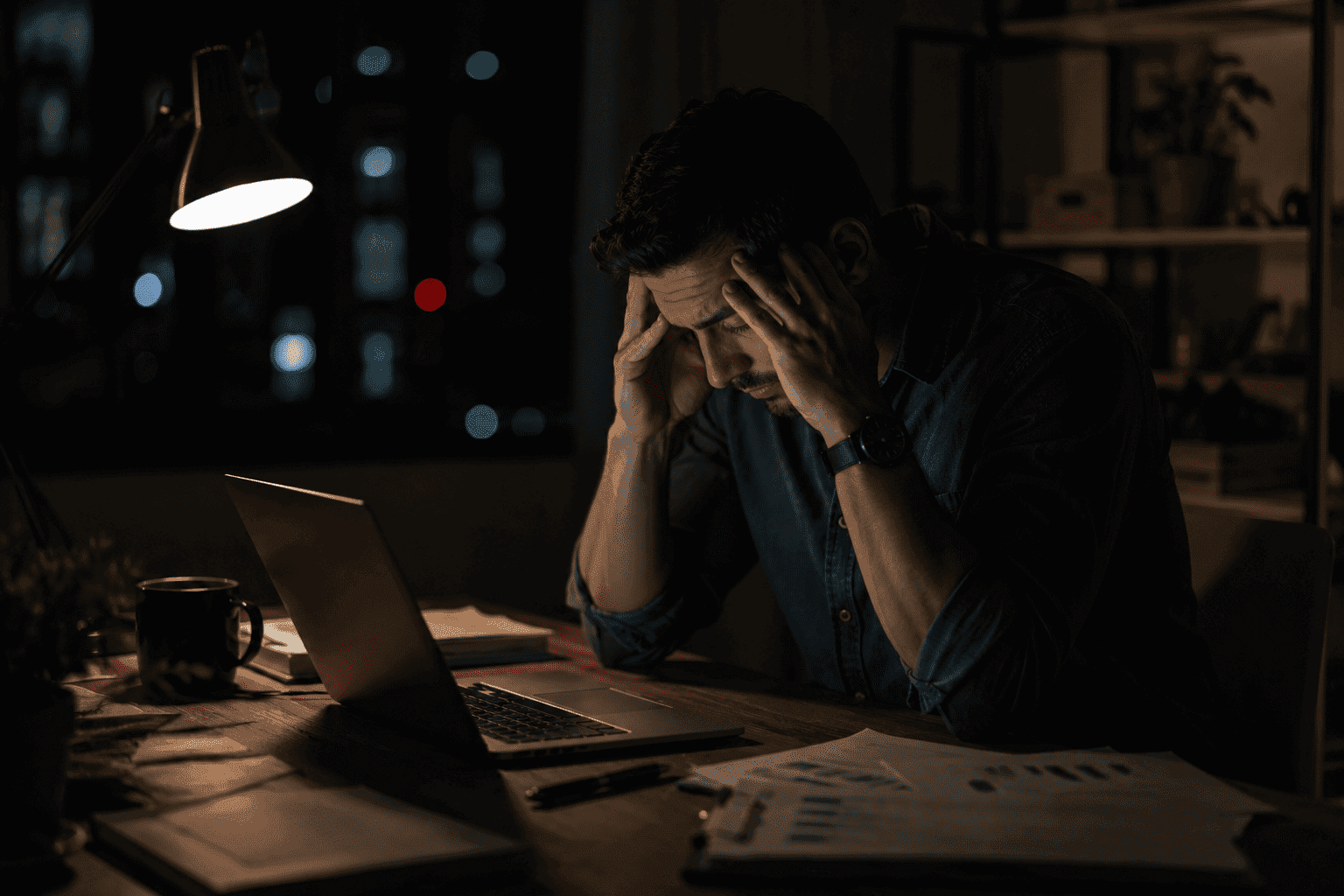
The Hidden Health Effects of Chronic Stress: The Silent Saboteur of Your Fitness Goals
The Invisible Weight: Why Stress is More Than Just a Feeling
We often talk about stress as a mental burden. We say we’re "stressed out" by work, finances, or relationships. We treat it as an emotional nuisance that we just have to "get through."
But your body doesn't distinguish between a "mental" stressor and a "physical" one. To your biology, a deadline from your boss triggers the same ancient survival mechanisms as a predator in the wild. When you are chronically stressed, your body is effectively stuck in "survival mode."
This has profound, and often hidden, consequences for your physical health. You can have the "perfect" diet and the most intense workout routine, but if your stress levels are through the roof, you will struggle to see results. Stress is the silent saboteur of your fitness goals. In this article, we’ll explore how chronic stress affects your body from the inside out and how you can manage it to unlock your true potential.
---
1. Cortisol: The "Stress Hormone" and Its Impact on Body Composition
When you perceive a threat, your adrenal glands release cortisol. In short bursts, cortisol is helpful—it provides a surge of energy and increases focus. However, in the modern world, the "threats" never go away. We are living with chronically elevated cortisol.
The "Stress Belly"
One of cortisol’s primary jobs is to ensure you have enough energy to survive a crisis. It does this by moving fat from your extremities and storing it in your abdominal area, near your vital organs. This is "visceral fat," and it’s the most dangerous type of fat because it’s metabolically active and increases the risk of heart disease and diabetes. This is why people who are "stressed" often struggle with midsection weight gain, even if they aren't eating more.
Muscle Breakdown
Cortisol is a "catabolic" hormone, meaning it breaks things down. To provide quick energy, it will actually break down your muscle tissue into amino acids. If you are chronically stressed, you are essentially "burning" your own muscle for fuel, making it impossible to see the gains you’re working for in the gym.
---
2. Systemic Inflammation: The Root of Modern Disease
Chronic stress keeps your immune system in a state of high alert. This leads to chronic low-grade inflammation. While acute inflammation is part of the healing process (like after a workout), chronic inflammation is destructive.
Inflammation is now recognized as the common thread between almost every modern chronic disease, including:
- Cardiovascular disease
- Type 2 diabetes
- Autoimmune disorders
- Cognitive decline
- Certain cancers
When your body is constantly fighting "invisible fires" caused by stress-induced inflammation, it has fewer resources for recovery and growth. You’ll find yourself feeling "sore" for longer, having more joint pain, and feeling generally "run down."
---
3. The Immune System under Siege: Why You Get Sick When You're Stressed
Have you ever noticed that you get a cold or the flu right after a major work project or a stressful life event? This isn't a coincidence.
Initially, stress boosts the immune system to prepare for injury. But chronic stress does the opposite. It suppresses the production of white blood cells and "natural killer cells" that fight off viruses and bacteria. It also slows down the healing process.
A weakened immune system means more missed workouts and slower progress. If you are constantly "cycling" through minor illnesses, it’s a sign that your body’s stress load is too high.
---
4. Stress-Induced Muscle Atrophy: Why You're Not Gaining Weight
If you are a "hard gainer" who struggles to put on muscle despite eating and training hard, stress might be the culprit.
Beyond the catabolic effects of cortisol, stress interferes with your body's "anabolic" (building) hormones. It suppresses the production of testosterone and growth hormone. It also impairs Muscle Protein Synthesis.
Essentially, stress puts a "ceiling" on your performance. Your body is so focused on surviving the perceived threat that it has no interest in building "expensive" muscle tissue that requires more energy to maintain. To build muscle, your body needs to feel "safe." Chronic stress sends the signal that you are not safe.
---
5. The Psychology of "Emotional Eating" and Cravings
Stress doesn't just change your physiology; it changes your behavior. High cortisol levels increase your cravings for "comfort foods"—specifically those high in sugar, fat, and salt.
This is a biological survival mechanism. High-calorie foods provide a quick hit of energy and trigger a temporary release of dopamine and opioids in the brain, which "numbs" the feeling of stress. This is why we reach for the ice cream after a bad day.
This creates a vicious cycle: Stress leads to poor food choices, poor food choices lead to weight gain and inflammation, and weight gain leads to more stress. Use our [macro calculator](https://gymguide.co/macro-calculator) to stay aware of your intake, but realize that "willpower" is often powerless against the biological drive of a stressed brain.
---
6. The Impact of Stress on Heart Health and Longevity
The cardiovascular system bears the brunt of chronic stress. Stress increases heart rate and blood pressure, putting constant strain on your arteries. Over time, this leads to the thickening of the arterial walls and the buildup of plaque (atherosclerosis).
Furthermore, stress affects how your blood clots, increasing the risk of heart attack and stroke. Stress is literally an accelerator for the aging process. It shortens your telomeres—the protective caps on the ends of your chromosomes. Shorter telomeres are a primary marker of biological aging and a predictor of a shorter lifespan.
---
7. How to Manage Stress for Physical Performance
Managing stress is not a "luxury"; it is a requirement for anyone serious about their health.
Mindfulness and the Vagus Nerve
Your "vagus nerve" is the primary channel for the "rest and digest" system. You can "hack" this nerve through deep breathing and mindfulness.
- Practice "Box Breathing" (4 seconds in, 4 hold, 4 out, 4 hold).
- Even 5 minutes of meditation a day can lower baseline cortisol levels.
The Power of Adaptogens and Nutrition
Certain nutrients help the body "adapt" to stress.
- Magnesium, Vitamin C, and Zinc are often depleted by stress.
- "Adaptogenic" herbs like Ashwagandha and Rhodiola have been shown to help regulate the HPA axis.
- Ensure you are fueled. Under-eating is its own form of physical stress. Use our [calorie calculator](https://gymguide.co/calorie-calculator) to ensure you aren't starving your body into more stress.
Exercise as Stress Relief vs. Exercise as Stressor
Exercise is a stressor. If you are already at your breaking point, a 90-minute high-intensity workout might do more harm than good.
- On high-stress days, opt for "Active Recovery"—walking, yoga, or light swimming.
- Use our [exercise guide](https://gymguide.co/exercises) to find lower-intensity options when your body needs a break.
- Listen to your resting heart rate. If it’s significantly higher than usual, your body is telling you to back off.
---
Conclusion: The Holistic Athlete
To reach your fitness goals, you must stop treating your mind and body as separate. A stressed mind will always create a limited body.
True fitness isn't just about how much you can lift or how fast you can run; it’s about how well your body can handle the demands of life. Prioritize your recovery, manage your stress, and give your body the "safety" it needs to grow.
When you lower the "invisible weight" of stress, you’ll be amazed at how much faster you can move the physical weights in the gym.
---
Frequently Asked Questions (FAQ)
1. Is "good stress" (like excitement) also bad for you?
No. This is called "Eustress." Short-term stress that you feel capable of handling (like a challenging workout or a big presentation) can actually be beneficial and build resilience. The problem is "distress"—stress that feels overwhelming, uncontrollable, and never-ending.
2. Can I tell if my cortisol is high without a blood test?
While a test is most accurate, signs of high cortisol include: difficulty sleeping (tired but wired), weight gain specifically in the face and belly, thin skin that bruises easily, muscle weakness, and frequent sugar cravings. Use our [BMI calculator](https://gymguide.co/bmi-calculator) to monitor if your weight gain is localized to the midsection.
3. Does caffeine make stress worse?
Yes. Caffeine triggers the release of adrenaline and cortisol. If you are already highly stressed, excessive caffeine will "pour gasoline on the fire." Try reducing your intake or switching to decaf/tea on particularly stressful days.
4. How long does it take for the body to recover from chronic stress?
It depends on the duration and intensity of the stress. With consistent lifestyle changes (better sleep, mindfulness, proper nutrition), you can start to see physiological improvements in 4-8 weeks. However, "reversing" the deeper cellular damage can take months.
5. What is the single best exercise for stress?
Walking in nature. It combines physical activity with the "calming" effect of natural environments and bilateral stimulation of the brain. It’s low-intensity enough to not add to your stress load while being effective enough to burn off excess adrenaline.
---
Related Posts:- [How Modern Lifestyles Are Destroying Physical Health](/blog/how-modern-lifestyles-are-destroying-physical-health)
- [How Exercise Helps Reduce Anxiety and Stress Naturally](/blog/how-exercise-helps-reduce-anxiety-and-stress-naturally)
- [Why Sleep Is More Important Than Most Supplements](/blog/why-sleep-is-more-important-than-most-supplements)
🚀 Ready to start your transformation?
Download GymGuide Free →