
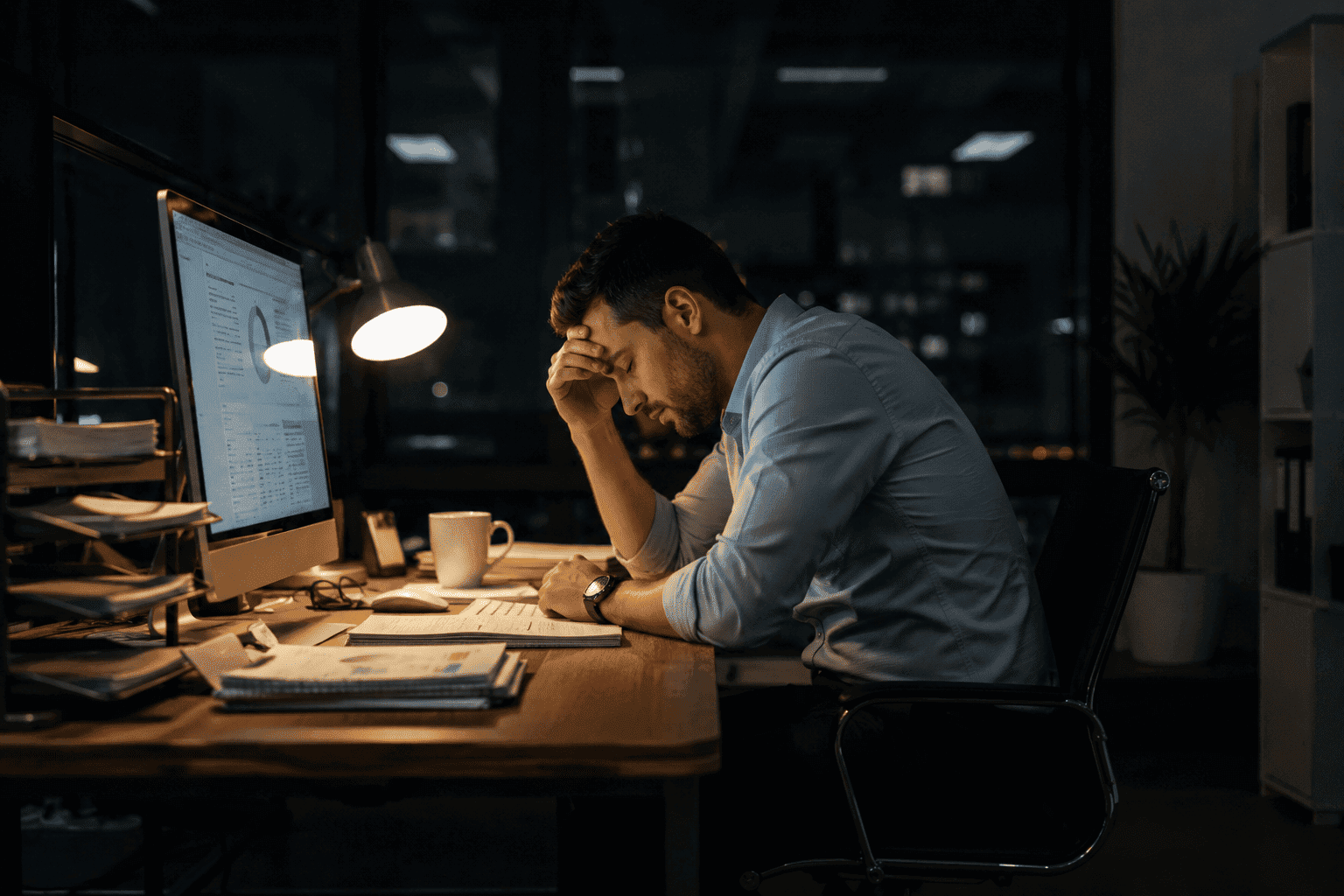
How Modern Lifestyles Are Destroying Physical Health: The Silent Crisis of the 21st Century
The Paradox of Progress: More Comfort, Less Health
We live in the most advanced era in human history. We have cured diseases that once wiped out entire civilizations, we have access to the sum total of human knowledge in our pockets, and we can summon food, transportation, and entertainment with the tap of a finger. By almost every measure of convenience and safety, we are thriving.
Yet, underneath this veneer of progress, a silent crisis is brewing. Despite our technological prowess, we are becoming sicker, weaker, and more stressed. Rates of chronic diseases like obesity, type 2 diabetes, heart disease, and depression are skyrocketing. For the first time in modern history, life expectancy in some developed nations has actually begun to decline.
The culprit is not a virus or a bacteria; it is our environment. We are living in a way that is fundamentally at odds with our biology. We have created a world of extreme comfort and abundance, but our bodies are paying the price. In this article, we will explore how the modern lifestyle is systematically destroying our physical health and what we can do to reclaim it.
---
1. The Evolution Gap: Stone Age Bodies in a Digital World
To understand why we are struggling, we must understand our history. For millions of years, the human body evolved in an environment of scarcity and physical demand. Our ancestors had to move—walk, run, climb, and carry—just to survive. Food was hard to come by, and when it was found, it was nutrient-dense and unprocessed.
The human genome has changed very little in the last 10,000 years. We still have the same biological hardware as our hunter-gatherer ancestors. However, in the last 100 years—and especially in the last 20—our software (our environment) has changed beyond recognition.
We are "Stone Age" bodies living in a "Digital World." We are designed for movement, but we live in a world of chairs. We are designed for seasonal eating, but we live in a world of 24/7 supermarkets. This "mismatch" is the root cause of most modern health problems. Our bodies are perfectly adapted for a world that no longer exists.
---
2. The Rise of Ultra-Processed Foods and the "Food Desert"
The modern food system is perhaps the single greatest contributor to our declining health. We have moved away from "food that grew" to "food that was manufactured."
Ultra-processed foods (UPFs) now make up more than 50% of the average person's caloric intake. These foods are scientifically engineered to be "hyper-palatable"—they bypass our natural satiety signals and trigger dopamine responses similar to addictive drugs. They are high in refined sugars, unhealthy seed oils, and artificial additives, but devoid of the fiber, vitamins, and minerals our bodies need.
Furthermore, many people live in "food deserts" or "food swamps," where fresh, whole foods are expensive or hard to find, while cheap, calorie-dense junk food is everywhere. This leads to a state of being "overfed but undernourished." We are consuming more calories than ever, but our cells are starving for real nutrition.
---
3. Sedentary Behavior: The "Sitting is the New Smoking" Phenomenon
Our ancestors walked an average of 10,000 to 15,000 steps a day. The average modern office worker walks fewer than 3,000. We sit in our cars to commute, we sit at desks to work, and we sit on our couches to relax.
This sedentary lifestyle is literally killing us. Prolonged sitting shuts down the production of lipoprotein lipase, an enzyme that helps our bodies burn fat. It leads to poor posture, back pain, and muscle atrophy. More alarmingly, studies have shown that even an hour of intense exercise at the gym cannot fully undo the damage caused by 8-10 hours of sitting.
Physical inactivity is now the fourth leading risk factor for global mortality. It increases the risk of heart disease, stroke, and several types of cancer. We have engineered movement out of our lives, and our cardiovascular and musculoskeletal systems are failing as a result.
---
4. Circadian Rhythm Disruption: Blue Light and the Death of Sleep
Sleep is the cornerstone of health. It is when our brains flush out toxins, our muscles repair themselves, and our hormones balance out. Yet, we are currently in the midst of a global sleep deprivation epidemic.
Modern technology has destroyed our relationship with light. For eons, humans followed the rising and setting of the sun. Now, we have artificial light that allows us to be "productive" 24/7. Specifically, the "blue light" emitted by our phones, tablets, and LED lights suppresses melatonin production—the hormone that tells our brain it’s time to sleep.
When we disrupt our circadian rhythm, we don't just feel tired; we break our metabolism. Poor sleep increases levels of ghrelin (the hunger hormone) and decreases leptin (the fullness hormone). This is why a single night of poor sleep makes you crave junk food the next day. Chronic sleep deprivation is a direct pathway to obesity and cognitive decline.
---
5. Chronic Stress: The Never-Ending Fight-or-Flight Response
The "stress response" (fight-or-flight) was designed to save our lives. It was meant to be a short-term burst of adrenaline and cortisol to help us escape a predator. Once the threat was gone, the body returned to a "rest and digest" state.
In the modern world, the "predators" never leave. They come in the form of work deadlines, mortgage payments, social media notifications, and the 24-hour news cycle. Our bodies are constantly marinating in cortisol.
Chronic stress causes systemic inflammation, weakens the immune system, and promotes the accumulation of visceral fat (the dangerous fat around your organs). We are living in a state of high alert that our biology was never intended to handle long-term.
---
6. Environmental Toxins and Microbiome Disruption
We are also exposed to a cocktail of environmental toxins that didn't exist 50 years ago. Microplastics in our water, pesticides on our produce, and endocrine disruptors in our plastic containers and personal care products.
These chemicals interfere with our hormones and can lead to thyroid issues, reproductive problems, and metabolic dysfunction. Simultaneously, our excessive use of antibiotics and our lack of dietary fiber have decimated our gut microbiome. We are learning that the health of our gut bacteria influences everything from our immune system to our mental health. A modern lifestyle is often a "sterile" lifestyle that lacks the beneficial microbes we need to thrive.
---
7. How to Reclaim Your Health in a Modern World
While the modern world is designed to make us sick, we are not helpless. We can use "biological hacking" to realign our lives with our ancestral needs.
Prioritizing "Micro-Movements"
Don't just rely on the gym. Build movement back into your day.
- Use a standing desk.
- Take a 10-minute walk after every meal.
- Use our [exercise guide](https://gymguide.co/exercises) to find short, effective workouts you can do anywhere.
- Park further away from the store.
The "Real Food" Protocol
Shift your diet back to whole, single-ingredient foods.
- If it has a barcode, read the label. If it has more than five ingredients, put it back.
- Prioritize protein and fiber to stay full. Use our [macro calculator](https://gymguide.co/macro-calculator) to ensure you're getting the right balance.
- Use a [calorie calculator](https://gymguide.co/calorie-calculator) to understand your energy needs in a world of abundance.
Digital Detoxing and Sleep Hygiene
Protect your sleep at all costs.
- Turn off screens 60-90 minutes before bed.
- Get sunlight in your eyes within 30 minutes of waking up.
- Keep your bedroom cool and pitch black.
---
Conclusion: Living Intentionally in an Unhealthy World
Being healthy in the 21st century is a rebellious act. The default state of the modern world is to be sedentary, overfed, stressed, and sleep-deprived. If you follow the path of least resistance, you will eventually end up with a chronic lifestyle disease.
To be healthy, you must be intentional. You must choose movement over comfort, real food over convenience, and sleep over scrolling. It’s not about "going back to the caves"; it’s about using the best of modern technology while respecting our ancient biology.
Your body is a remarkable machine, but it requires the right input. Give it movement, real food, and rest, and it will serve you for a lifetime.
---
Frequently Asked Questions (FAQ)
1. Is it really possible to be healthy while working a 9-5 desk job?
Yes, but it requires strategy. You must find ways to break up your sitting time. Even standing for 5 minutes every hour can make a significant difference. Use our [BMI calculator](https://gymguide.co/bmi-calculator) to track how your lifestyle changes are affecting your body composition over time.
2. Are all "modern foods" bad for you?
No. Technology has also given us access to high-quality protein powders, frozen vegetables (which are often fresher than "fresh" ones), and health-tracking apps. The key is to distinguish between processed (which can be fine) and ultra-processed (which is usually problematic).
3. How much sleep do I actually need?
Most adults need between 7 and 9 hours. Some claim they can survive on 5 or 6, but research shows that cognitive and metabolic performance declines significantly below 7 hours, even if you "feel" fine.
4. What is the most important change I can make today?
Walking. Increasing your daily step count is the easiest and most sustainable way to combat a sedentary lifestyle. Aim for 8,000 to 10,000 steps as a baseline.
5. Why is stress so hard to manage in the modern world?
Because our brains cannot distinguish between a physical threat and a psychological one. A rude email triggers the same physiological response as a predator. Learning techniques like mindfulness and prioritizing physical activity can help "burn off" the excess cortisol.
---
Related Posts:- [Why Sitting All Day Is Worse Than You Think](/blog/why-sitting-all-day-is-worse-than-you-think)
- [The Hidden Health Effects of Chronic Stress](/blog/the-hidden-health-effects-of-chronic-stress)
- [Why Sleep Is More Important Than Most Supplements](/blog/why-sleep-is-more-important-than-most-supplements)
🚀 Ready to start your transformation?
Download GymGuide Free →